
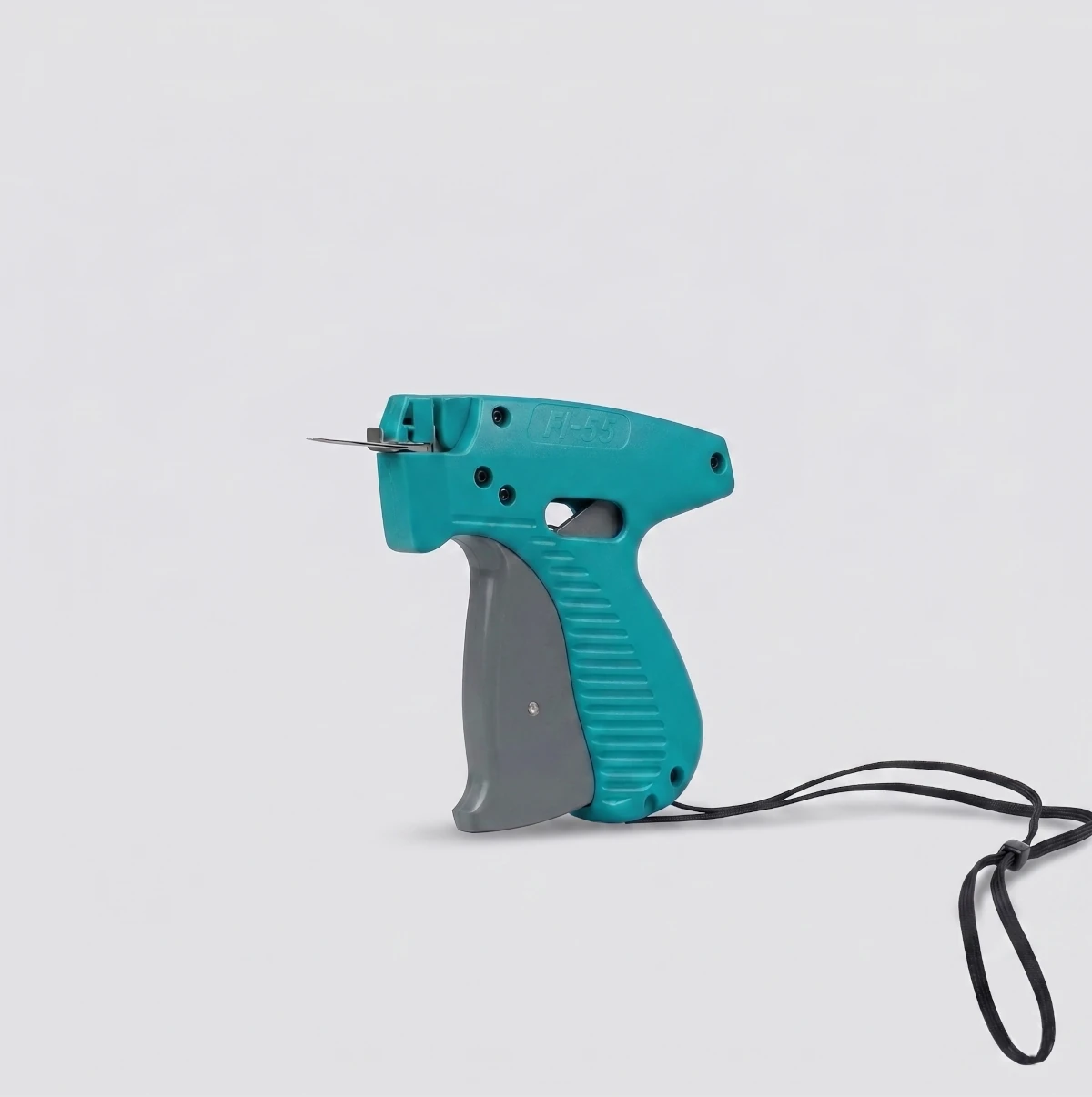
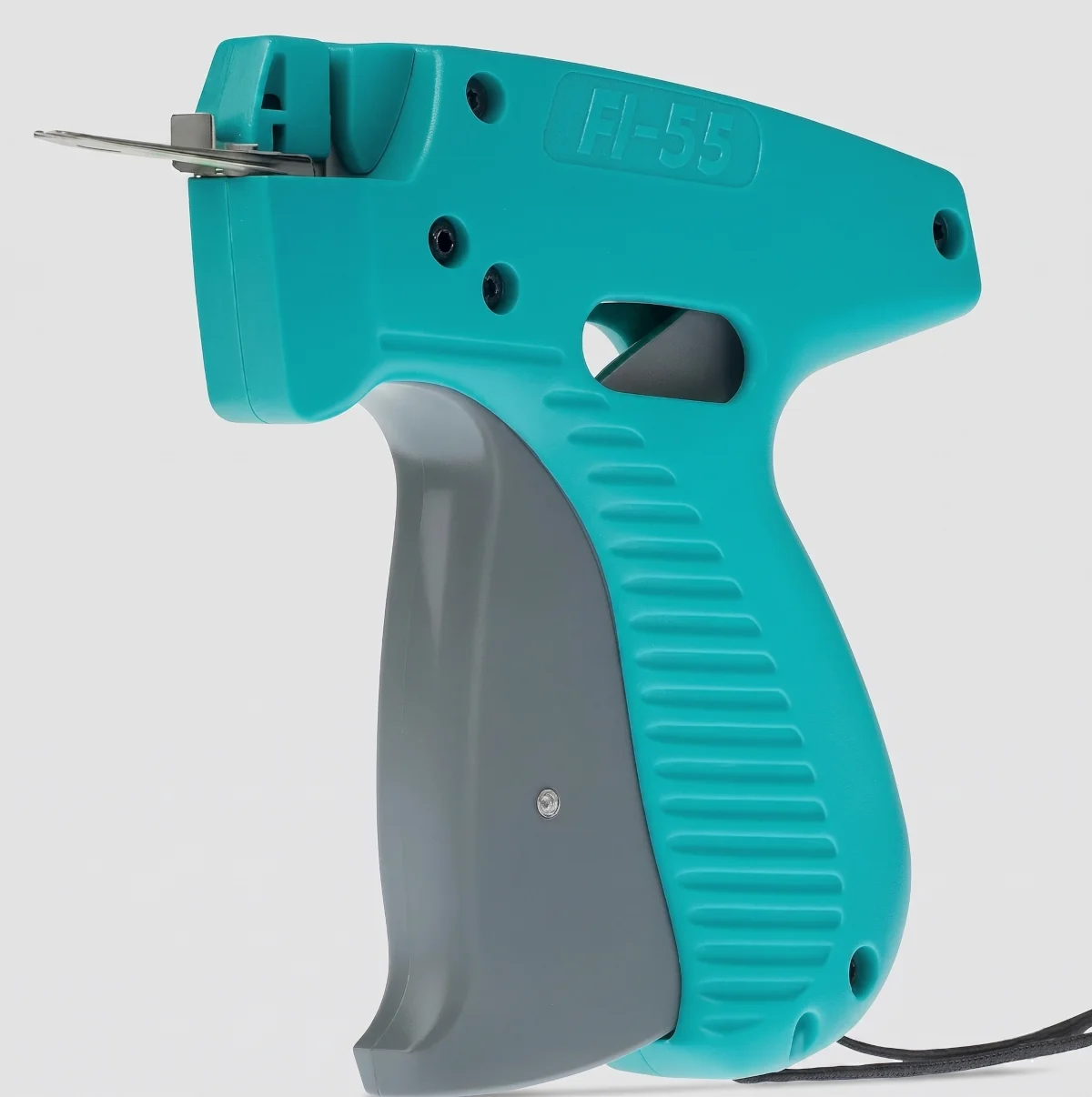
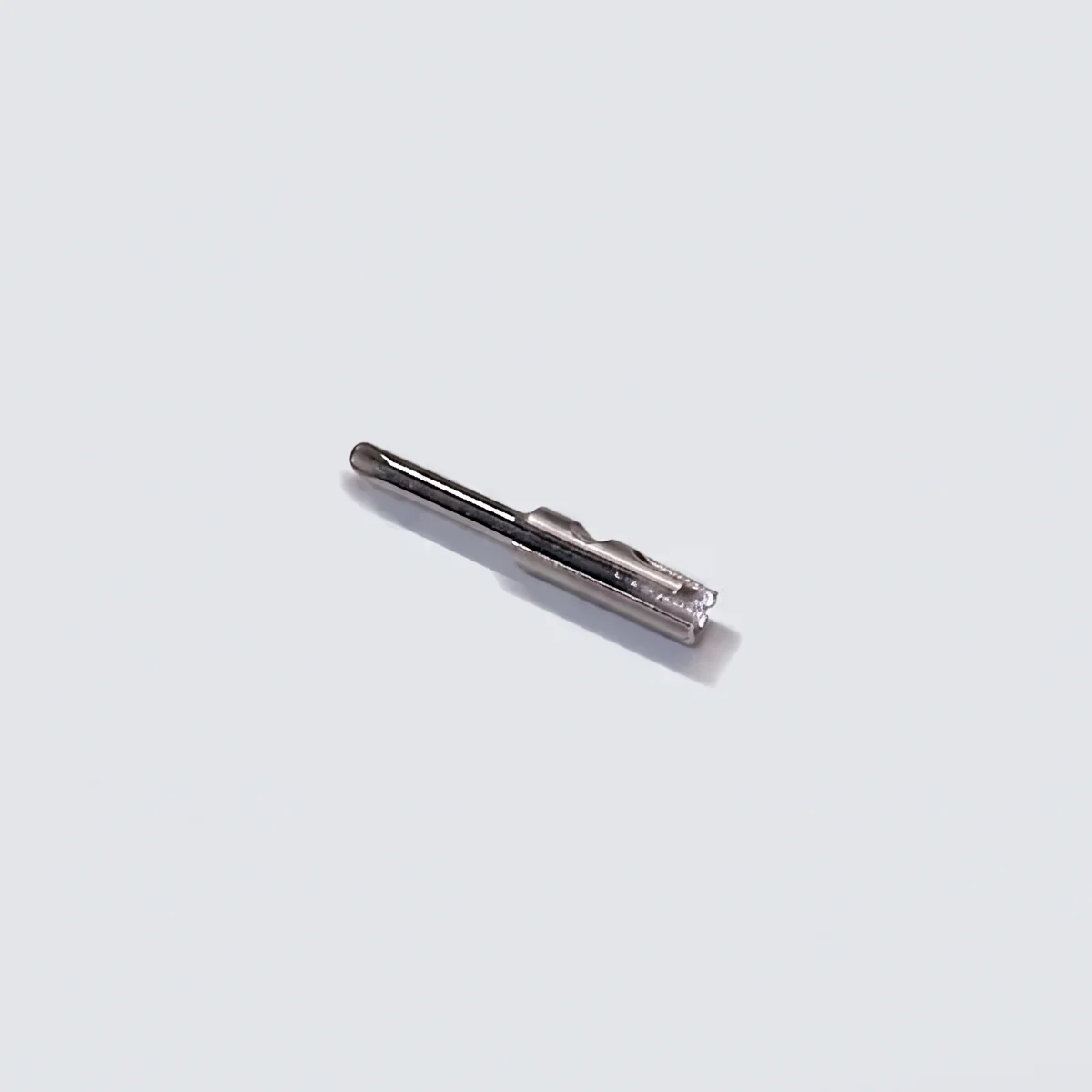
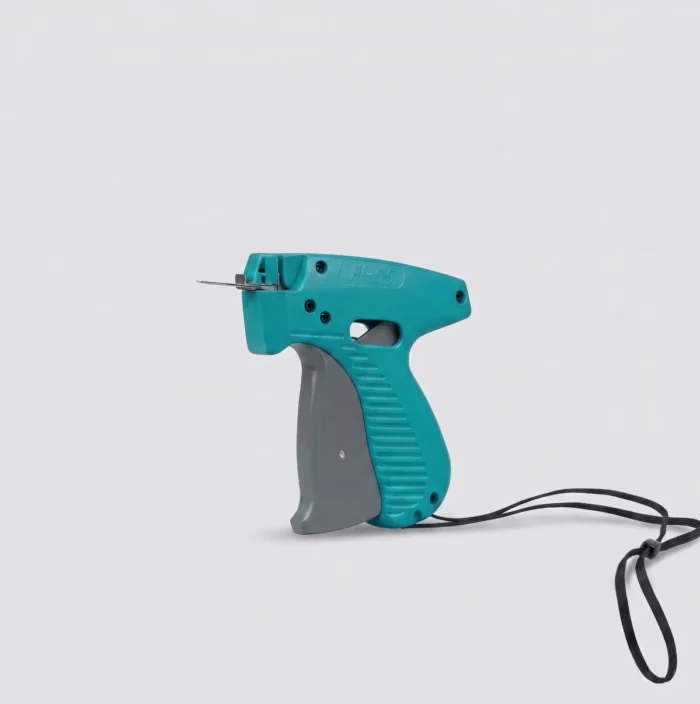
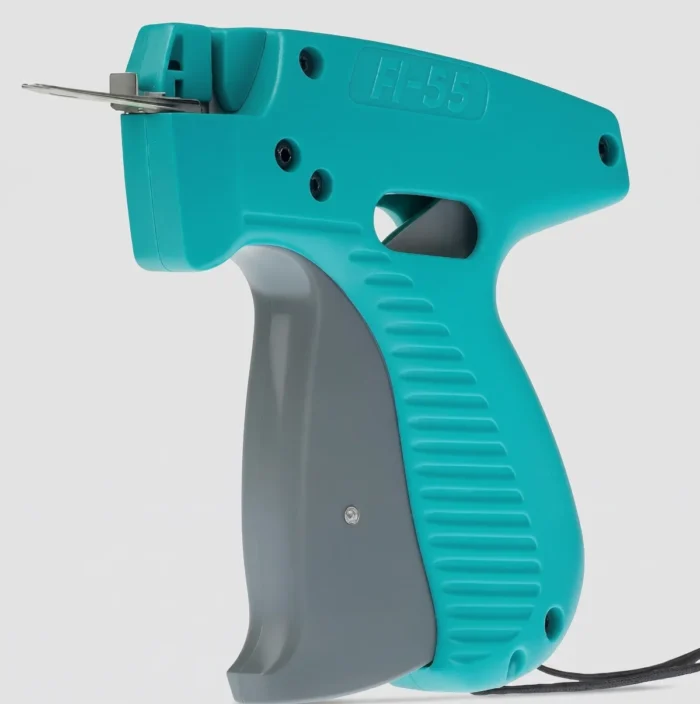
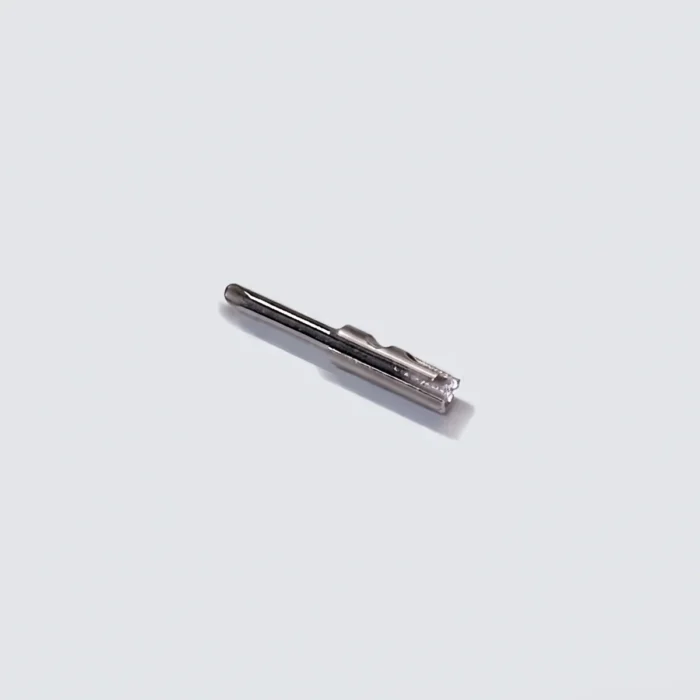
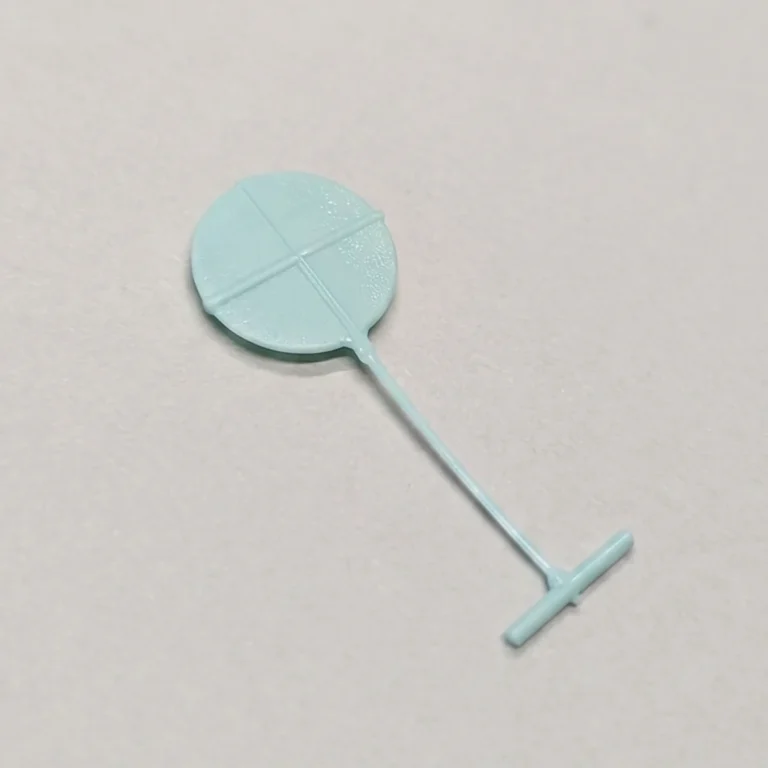
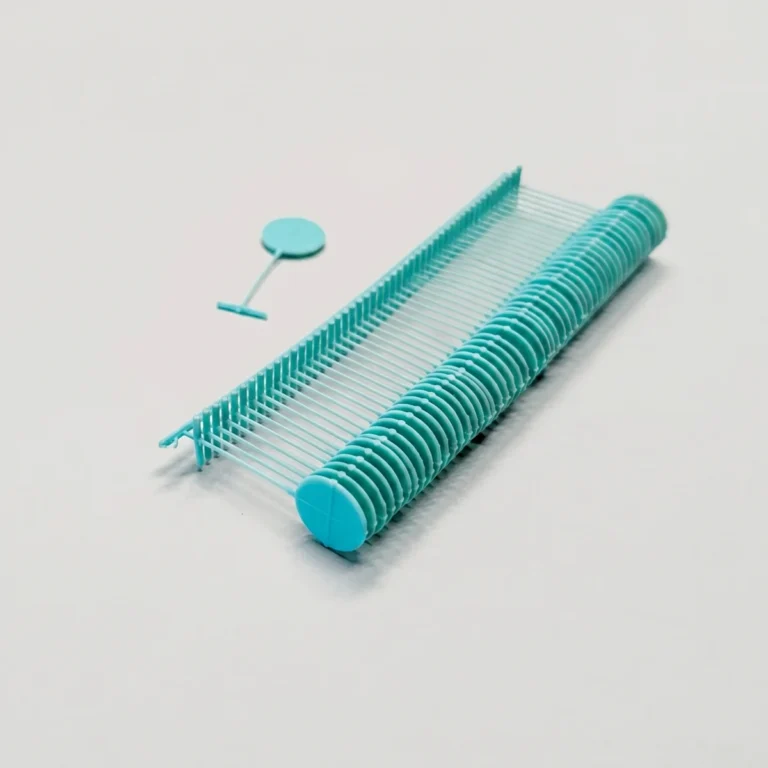
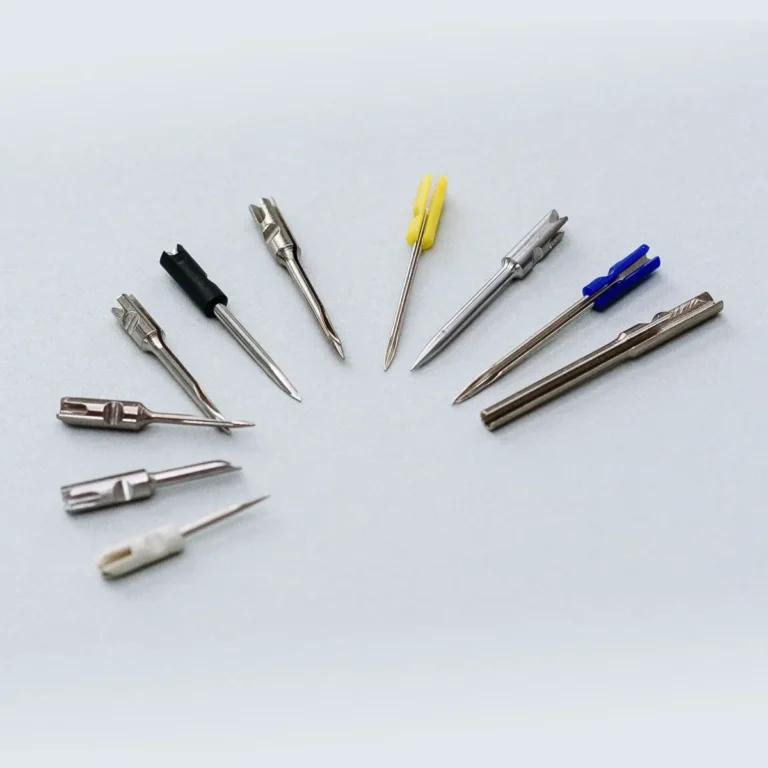
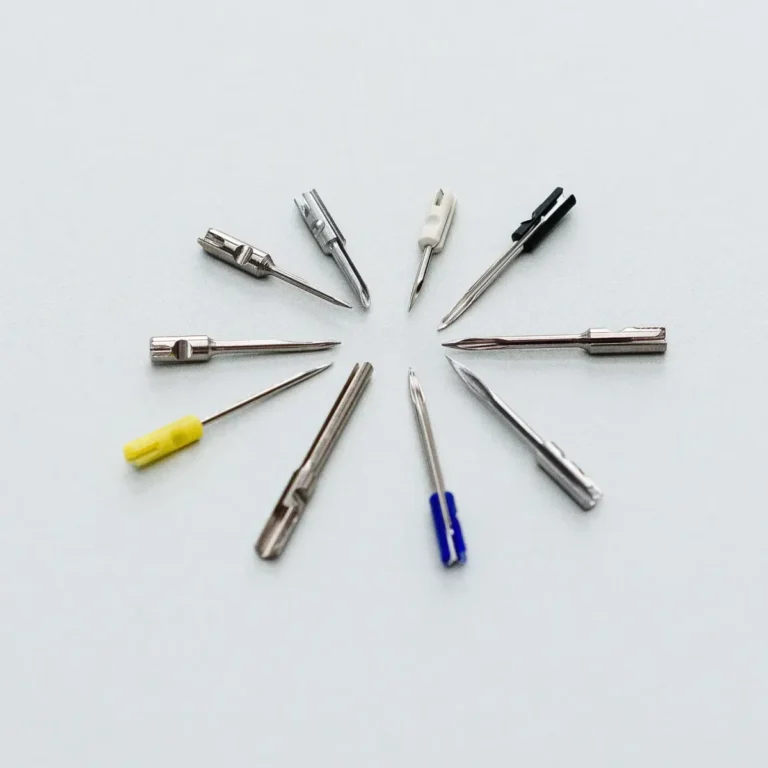
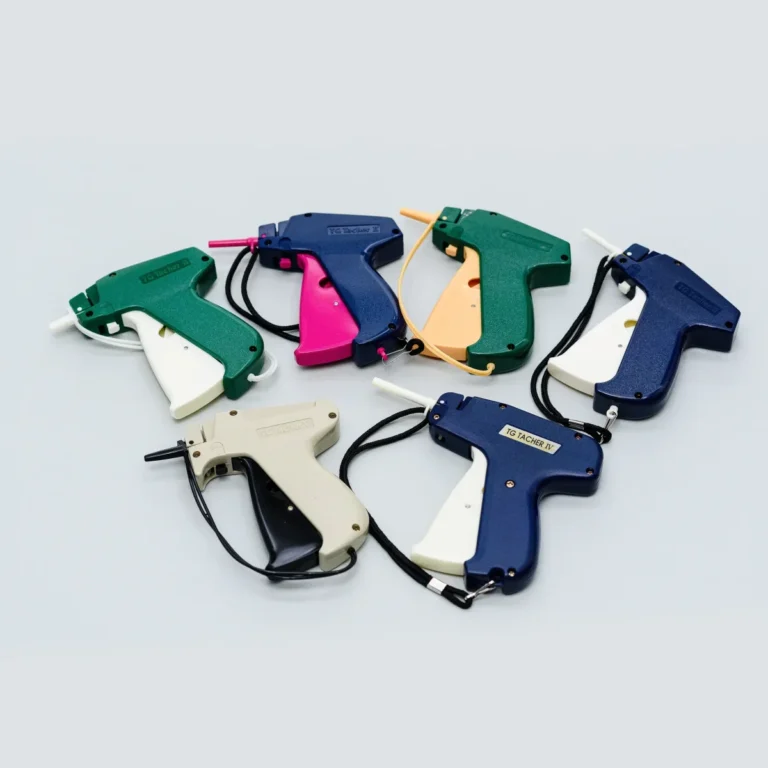
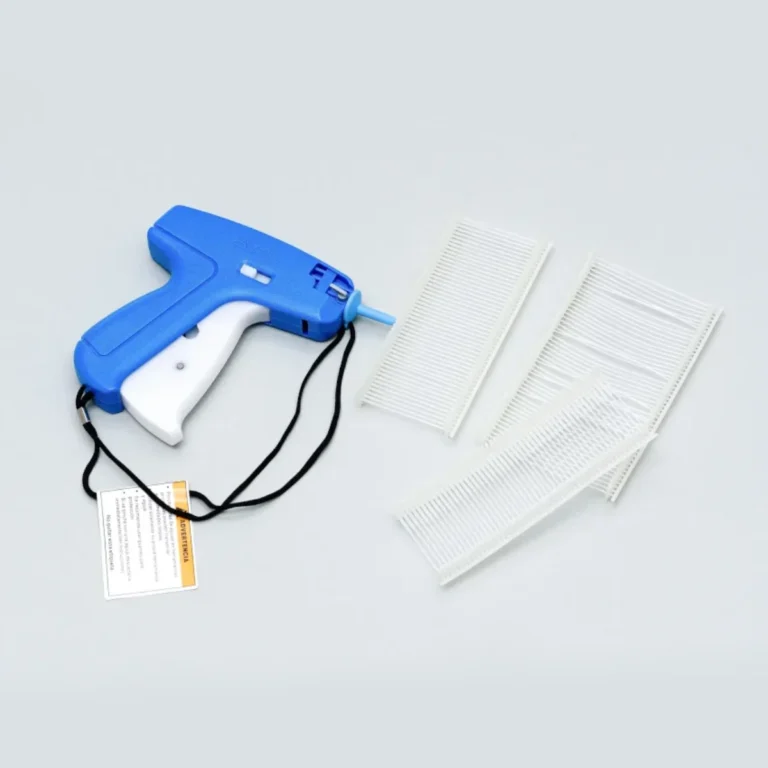
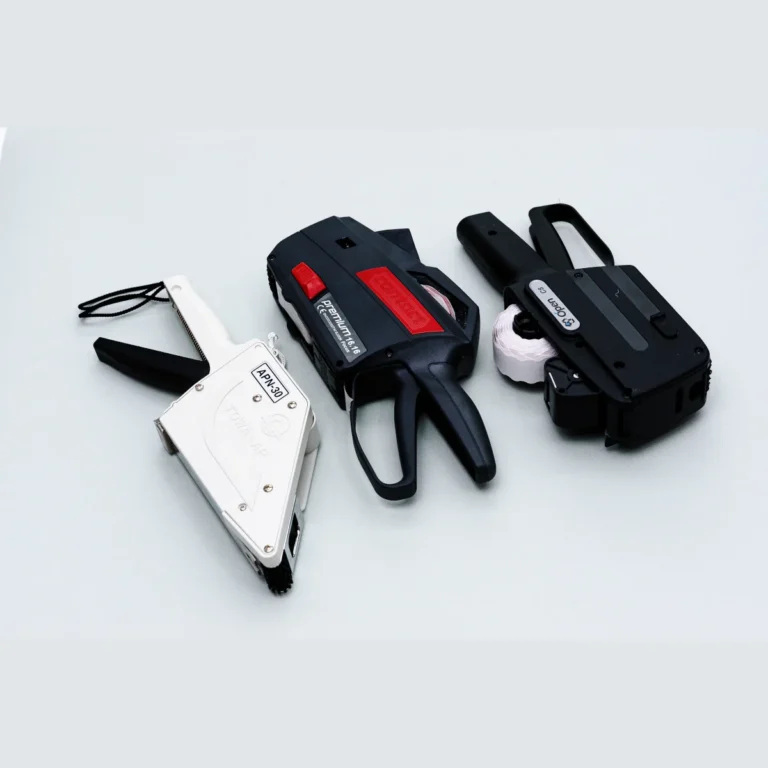
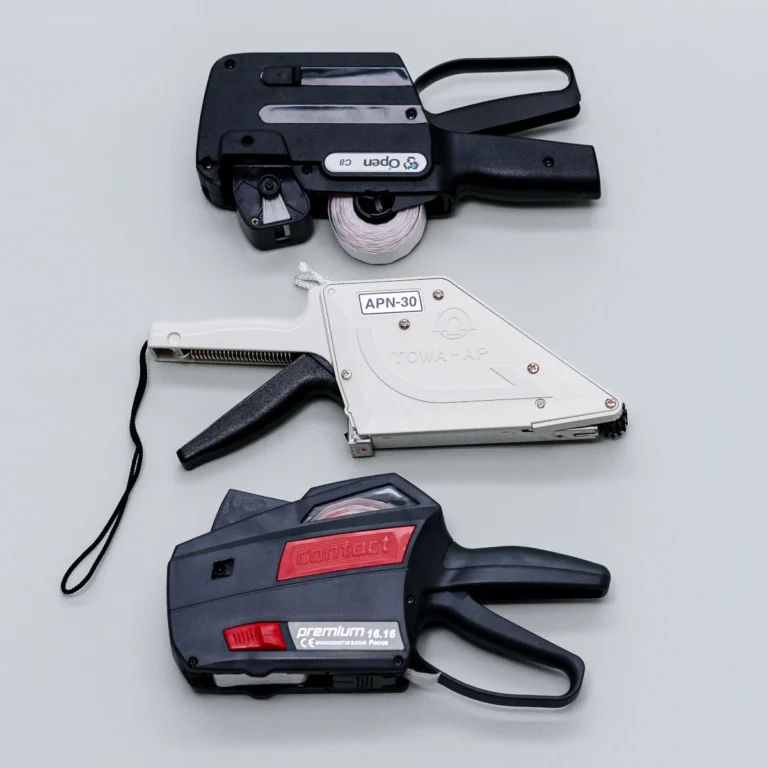
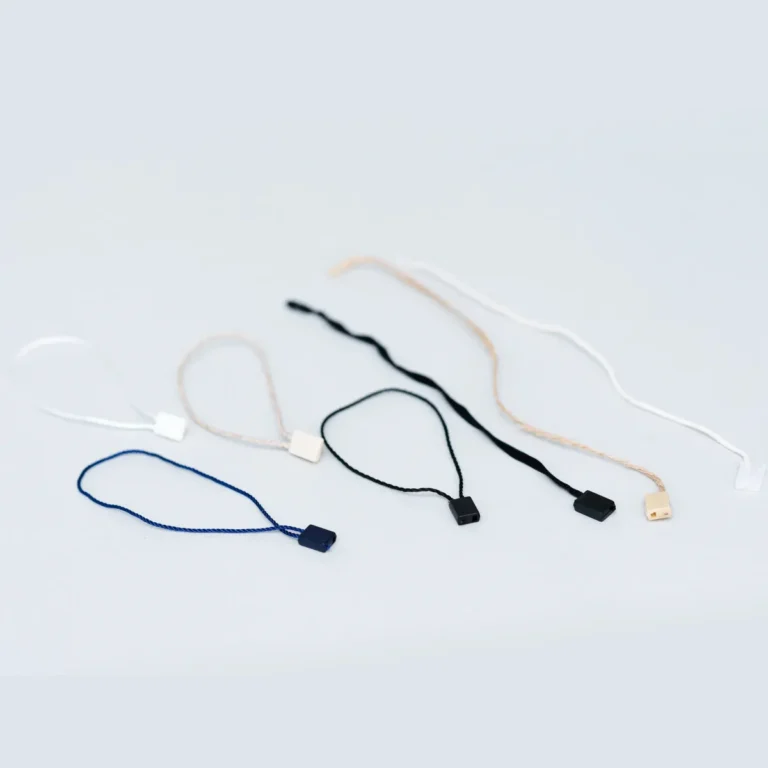
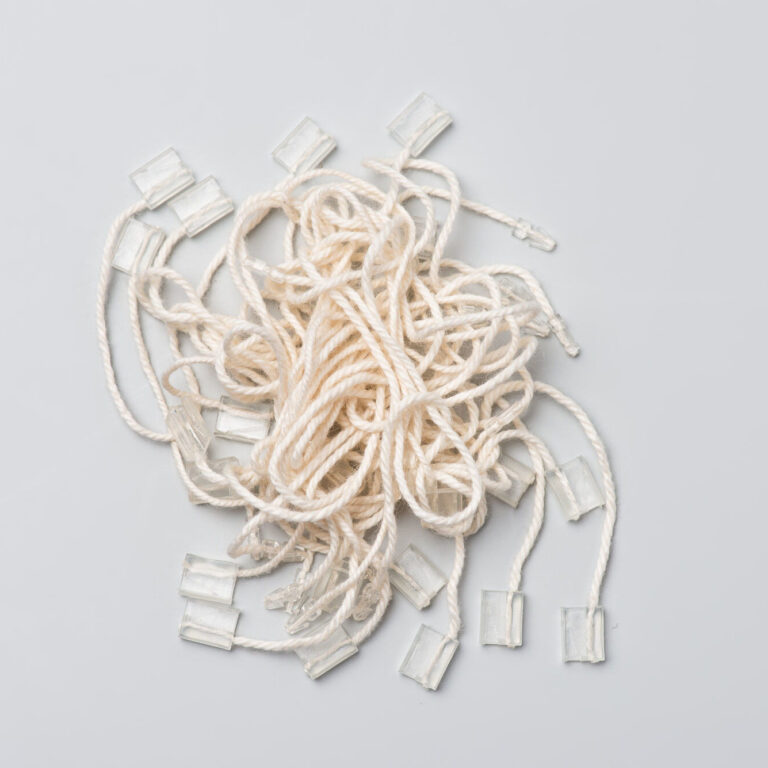
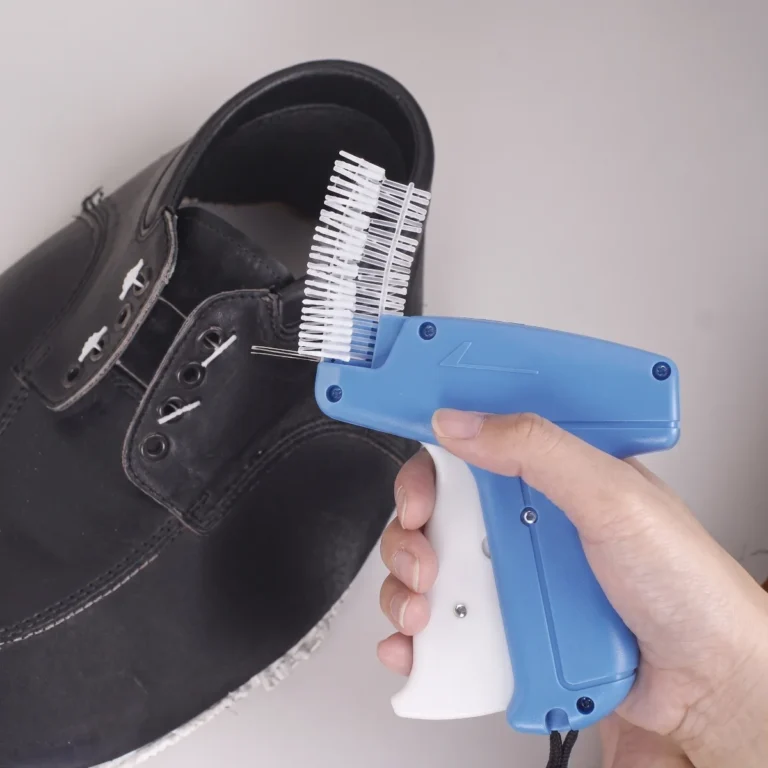
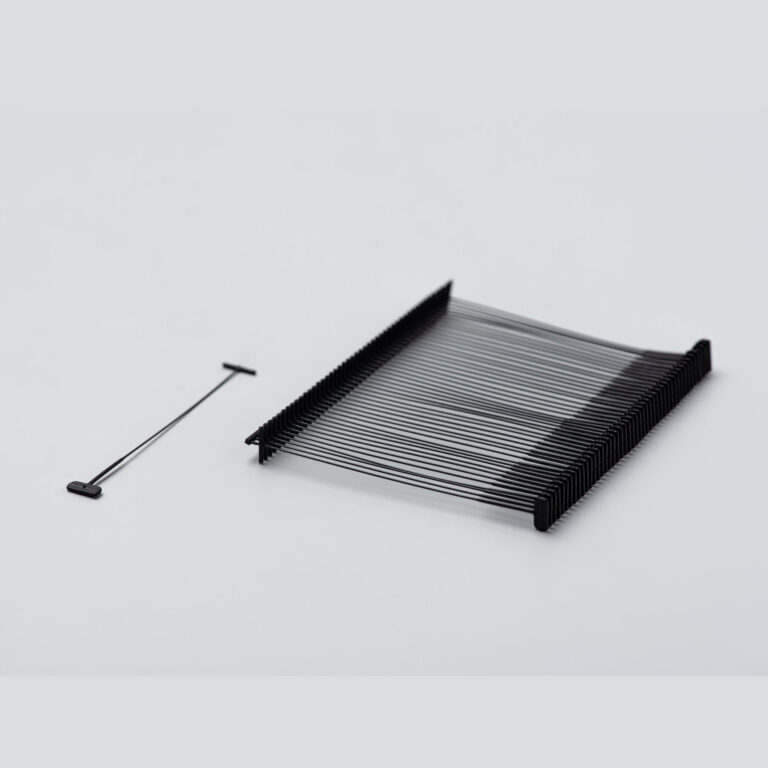
The MKII meat tagging gun and heavy-duty stainless steel needle system is engineered specifically for demanding food-processing environments. Unlike standard textile tools, this FDA-approved meat tagging gun is built with corrosion-resistant materials and features dedicated internal drainage channels for high-pressure washdown and sanitization. Secured with a safety screw to prevent needle detachment during intensive shifts, it ensures safe, hygienic, and reliable labeling for raw or cured meats, carcasses, fish, and fresh produce. Designed for slaughterhouses, cutting plants, and food processors, this industrial meat tagging gun streamlines direct product traceability while complying with strict international food-contact and sanitary regulations across the entire supply chain.
| Reference | Description |
|---|---|
| 01505 | MKII Meat Tagging Gun |
| 15021 | MKII Heavy-Duty Stainless Steel Needle |
Can I use a standard textile tagging gun to label meat? It is neither recommended nor safe. Textile tagging guns are not made with anti-corrosive materials and lack internal washdown drainage. Moisture and meat juices will quickly rust the internal mechanism, causing constant jams and a risk of contamination.
How is this industrial tool cleaned and sanitized? Unlike standard tools, this industrial model incorporates dedicated drainage holes in its housing. This allows for high-pressure internal washing of the tool, ensuring hygiene and removing any organic residue at the end of the shift to prevent bacterial growth.

Got questions? Ideas? Fill out the form below & our specialist will contact you.